

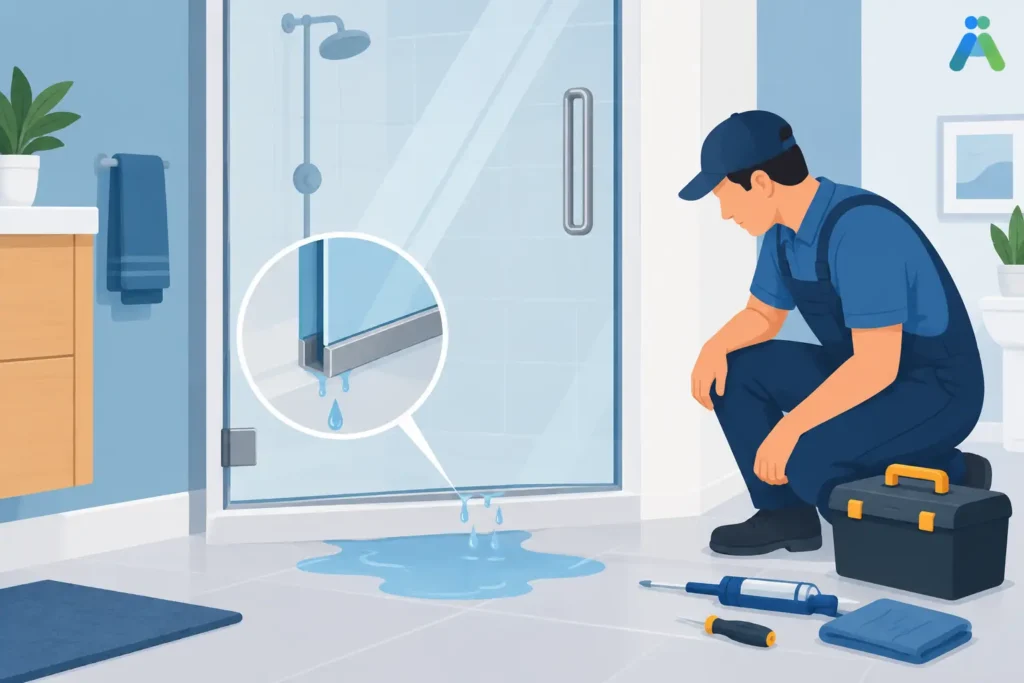
Bath Door Leak Problems and How to Fix Them
A small puddle outside a walk-in bath can feel worrying, particularly when the bath is there to make daily washing safer and more independent. Bath door leak problems are not something to ignore or simply mop up each time. Water on a bathroom floor increases the risk of slips, can damage flooring and may be a sign that a seal, door or installation needs attention.
The reassuring news is that many leaks have an identifiable cause. A careful check can show whether the issue is a simple cleaning matter, a worn door seal or something that needs a specialist repair. The right answer depends on the type and age of the bath, how the leak appears and whether the door still closes securely.
Why bath door leak problems happen
Walk-in baths are designed with a watertight door and seal that holds water in place once the bath is filled. This makes low-level access possible without compromising comfort. Like any moving bathroom component, however, the door and its seal need to be kept in good condition.
The most common cause is a seal that is dirty, dry, damaged or no longer sitting evenly against the bath frame. Soap residue, body oils and limescale can build up along the rubber, stopping it from making full contact. Over time, seals can also lose their flexibility, especially where a bath is heavily used or has been cleaned with harsh products.
A door that is not fully latched can also allow water through. This is not always obvious. Clothing, a towel or a bath mat may catch the door as it closes, or the handle may feel closed without the locking mechanism engaging properly. In some cases, the bath may have settled slightly over the years, leaving the door out of alignment.
Not every puddle is a door leak. Water may be running from the user when the door is opened, splashing from the taps, escaping around a shower screen or coming from pipework underneath the bath. Identifying exactly where the water starts is the first useful step.
Check the source before arranging a repair
Dry the floor and outside of the bath thoroughly before the next use. Once the bath is filled, look around the bottom and sides of the door rather than waiting until bathing has finished. A torch can help reveal a slow trickle near the threshold or hinge side.
If water appears while the bath is still filling, it may be coming from the door seal, overflow or nearby pipework. If the floor stays dry until the shower is used, the issue could instead be shower spray or a poorly positioned shower curtain. If water only appears when the door opens, it may simply be water sitting on the inside ledge or being carried out with a towel.
Do not run your fingers around the door edge while the bath is full if this means leaning or balancing awkwardly. Safety comes first. If you use a wheelchair, walking aid or bath lift, ask a family member, carer or installer to help with the inspection rather than putting yourself at risk.
Look closely at the seal
With the bath empty, open the door and inspect the full length of the rubber seal. Look for tears, flattened areas, gaps, brittleness or sections that have come loose. Check for hair, fluff, dried soap, grit or limescale where the seal meets the bath.
Clean the seal gently with a soft cloth and warm water, then dry it fully. Avoid abrasive pads, bleach-heavy cleaners and strong solvents unless the bath manufacturer specifically approves them. These products can make rubber seals deteriorate faster and may affect the finish of the bath.
It is also worth checking the door frame and the channel where the seal sits. A clean seal cannot perform properly if there is a build-up of residue on the surface it needs to close against.
Check how the door closes
Close the door slowly and make sure nothing is caught in it. The latch should engage without excessive force, and the door should sit evenly all the way around. Do not force a stiff handle or try to bend hinges yourself. A door that needs pushing, lifting or repeated attempts to shut may need adjustment by someone familiar with that model.
If the handle, lock or hinge feels loose, stop using the bath until it has been assessed. A leaking door is inconvenient, but a door that may open unexpectedly is a more urgent safety concern.
When cleaning is enough and when it is not
A clean, undamaged seal and a correctly closed door can solve occasional minor leaks. This is particularly true where the leak is small, has only happened once or follows a period of reduced cleaning around the door edge.
A repeated leak, visible crack in the seal or water escaping from the same point every time usually calls for professional attention. Seals are not all the same shape or size, and fitting the wrong replacement can make matters worse. A specialist can check whether the seal alone needs replacing or whether alignment, hinges, the locking mechanism or the bath frame are contributing to the problem.
Be cautious of quick fixes such as applying silicone around a bath door. A walk-in bath door needs to open and close freely, so sealing it permanently is not a practical or safe repair. Silicone can also hide the true source of the leak and make later work more difficult.
Protect the bathroom while the problem is being resolved
If you have confirmed a leak from the door, avoid filling the bath until it has been repaired. Using it with a towel on the floor is not a safe long-term workaround, particularly for anyone with reduced balance or limited mobility. A saturated towel can slide underfoot, and repeated moisture can seep beneath vinyl, laminate or tiles.
If bathing is essential, consider whether an alternative is available, such as a separate shower, help from a carer or temporary assistance with strip washing. This can be frustrating, especially when the walk-in bath supports your independence, but preventing a fall or damage to the home is worth the short-term change to routine.
Dry any water immediately and keep the area well ventilated. Check adjoining rooms or the ceiling below, if applicable, for damp marks. A slow leak may travel further than expected before it becomes visible.
Could the bath no longer suit your needs?
Sometimes a leaking bath door is a repair issue. Sometimes it is the point at which a household realises the whole bathroom arrangement needs reconsidering. If the bath is old, the door is difficult to operate, transfers have become harder or there is only limited space to move safely, replacing a single part may not give the best long-term result.
A modern walk-in bath can offer a choice of inward- or outward-opening doors, low thresholds, easy-to-reach controls and seating designed around the user. For another household, a level-access wet room or walk-in shower may be more suitable, especially where wheelchair access, carer support or a quicker showering routine is needed.
There are trade-offs. A bath provides the comfort of a seated soak, but users need to remain inside while it fills and drains. A wet room offers open access and can be easier for assisted showering, although good drainage, slip-resistant flooring and a considered layout are essential. The best option is based on the person using the room, not on a one-size-fits-all product choice.
Get advice that considers the whole bathroom
A specialist assessment can establish whether the leak is a straightforward seal issue, an installation concern or part of a wider accessibility problem. It should also consider flooring, drainage, the position of grab rails, turning space and how easily the person can use the bathroom every day.
For households in South Wales, Affect Ability can provide a home visit and genuine recommendations based on the room, the user’s mobility and the outcome that matters most – safe, dignified independence. A professional assessment should never pressure you into replacing a bath that can be repaired, but it can make clear when a repair is no longer the safest value.
A bath door should give you confidence, not leave you watching the floor for water. Acting early protects both your bathroom and the independence that a well-designed accessible space can support.